Business Process & Operations Automation (Built for Reliability at Scale)
If your business relies on manual data entry, spreadsheets, and people “remembering” what to do next, the problem isn’t effort — it’s operational fragility.
We build business process and operations automation systems that stabilize how data, approvals, finance, and fulfillment move across your organization — so growth doesn’t introduce chaos.
This is for teams who already use multiple tools and still feel exposed behind the scenes.
Why Operations Become Fragile at Scale


Operational automation fails for predictable reasons:
Data lives in too many systems without ownership
Manual handoffs introduce errors and delays
Finance and reporting rely on cleanup work
Exceptions aren’t handled — they’re ignored
No one sees problems until they become urgent
The result is fragile operations disguised as “busy work.”
How Our Operations Systems Are Different
We don’t automate tasks in isolation.
We automate end-to-end process integrity.
Our systems are designed to:
Move data reliably between platforms
Enforce approvals and controls automatically
Handle exceptions instead of failing silently
Provide visibility into what’s happening and why
Reduce reliance on manual intervention
Operations should support growth — not collapse under it.
What We Build (Operational Systems, Not Scripts)
Data Movement & Transformation
Clean, structured data flows between systems without manual copying.
Finance & Reconciliation Systems
Automations for invoicing, payments, reconciliation, and reporting that reduce error and rework.
Approval & Control Workflows
Rules-based approvals that enforce consistency without slowing teams down.
Fulfillment & Handoff Automation
Operational handoffs that trigger reliably when work is ready — not when someone remembers.
Operational Visibility & Reporting
Dashboards and alerts that show what’s working, what’s stuck, and what needs attention.
How Engagement Works
Step 1 — Systems Diagnostic
We audit your operational workflows, data flows, and failure points.
Step 2 — Stabilize the Core
We fix data integrity, approvals, and handoffs before scaling automation.
Step 3 — Automate What Holds
Only after reliability is established do we expand automation across functions.
Many clients retain us to maintain and evolve these systems over time.
When operations are automated correctly, teams typically see:
Fewer errors and rework
Faster finance and ops cycles
Clear ownership and accountability
Reduced operational stress
Systems that hold up as volume increases
No “set it and forget it.” Just durable operations.
Outcomes You Can Expect
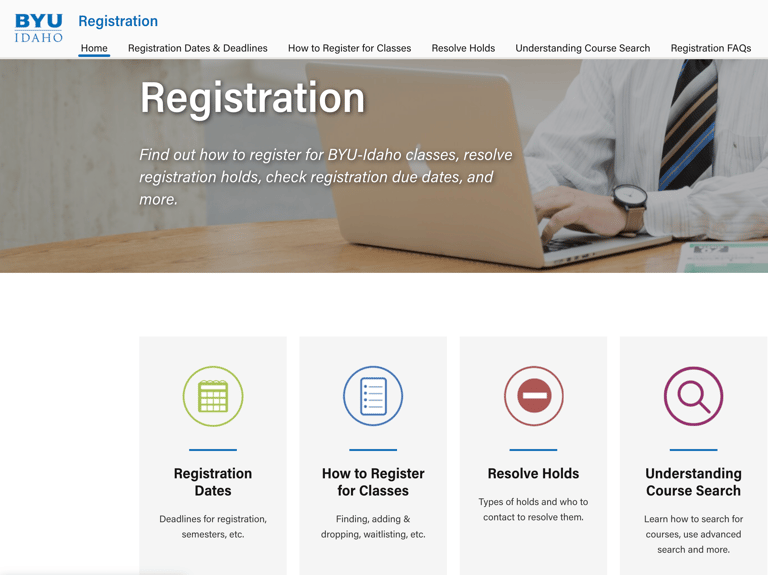
Real-World Example: Operational Automation in Higher Education
BYU-Idaho automated its internal class registration testing process, replacing weeks of manual QA work with a reliable, repeatable automation framework.
The system reduced testing cycles from three weeks to under 20 minutes, eliminated human error, and gave internal teams confidence to ship changes faster without operational risk.
Tools We Integrate With(Supporting Detail)
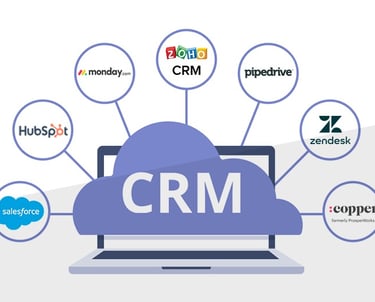
We integrate with common finance, HR, operations, and workflow platforms.
Tools are selected after execution design — not before.

Most operational failures don’t start as emergencies — they start as invisible data and ownership gaps.
Start With a Systems Diagnostic
If your systems feel fragile, opaque, or hard to trust, the problem usually isn’t effort — it’s design.
The first step isn’t building more automation. It’s seeing where risk already exists.
We’ll show you:
Where automation is failing silently
Which handoffs, data flows, or AI decisions introduce risk
What to fix first — and what not to automate yet
Systems That Commonly Break Together
Operations rarely fail in isolation:
Success through Online Strategies
© Copyright 2025, WebQuench