Project Management Automation Systems (Built for Execution, Not Chaos)
If your projects rely on constant check-ins, unclear ownership, and manual updates, the problem isn’t effort — it’s system design.
We build project management automation systems that stabilize intake, handoffs, and execution — so work moves forward predictably without chasing people or micromanaging tasks.
This is for teams who already use project management tools and still feel overwhelmed.
Why Project Execution Breaks at Scale


Most project automation fails for predictable reasons:
Intake is inconsistent or incomplete
Ownership is unclear once work starts
Status updates depend on manual follow-ups
Handoffs between teams break silently
Reporting reflects activity, not progress
The result is constant coordination work disguised as “management.”
How Our Project Management Systems Are Different
We don’t automate tasks for the sake of it.
We automate execution clarity.
Our systems are designed to:
Standardize intake so work starts correctly
Define ownership at every stage
Trigger updates and reminders automatically
Surface blockers before deadlines slip
Keep humans focused on delivery, not coordination
Project management should reduce noise — not create more.
What We Build (Execution Systems, Not Task Lists)
Standardized Intake & Requests
Projects start with complete, structured information — not guesswork.
Ownership & Assignment Logic
Tasks are assigned based on rules, capacity, and responsibility — not tribal knowledge.
Deadline & Escalation Systems
Automated reminders and alerts surface risks before they become emergencies.
Progress Visibility & Reporting
Clear, real-time insight into what’s moving, what’s blocked, and why.
Cross-System Coordination
Updates flow across tools without manual copying or status meetings.
How Engagement Works
Step 1 — Systems Diagnostic
We audit your intake, workflows, handoffs, and reporting.
Step 2 — Stabilize Execution
We fix bottlenecks, clarify ownership, and repair broken handoffs.
Step 3 — Automate What Holds
Only after execution is reliable do we expand automation.
When project systems are designed correctly, teams typically see:
Fewer missed deadlines
Clearer ownership across teams
Reduced admin and status meetings
Faster delivery cycles
Higher client and internal satisfaction
No promises of “perfect projects.” Just predictable execution.
Outcomes You Can Expect
Real-World Example: Execution Reliability Across Complex Rulesets
The same BYU-Idaho system automated thousands of edge-case scenarios across departments, enforcing ownership, sequencing, and validation rules without manual coordination.
This removed constant handoffs, reduced rework, and gave teams clear visibility into what passed, what failed, and why — without status meetings or manual tracking.


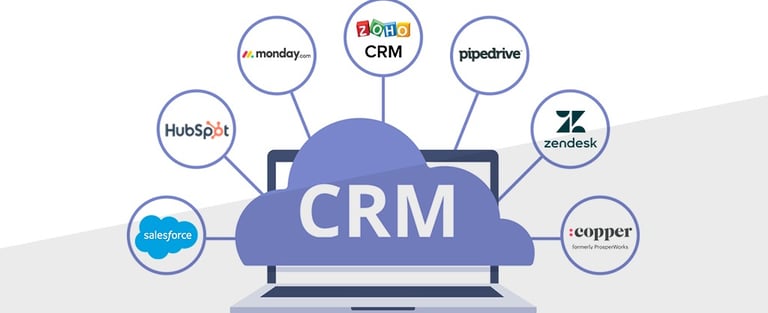
Tools We Integrate With
We integrate with common project management, communication, and workflow platforms.
Tools are selected after execution design — not before.
Most project failures aren’t caused by missed tasks — they’re caused by unclear ownership of execution.
Start With a Systems Diagnostic
When ownership and handoffs aren’t clearly defined, automation doesn’t reduce work — it creates friction.
The first step is understanding where responsibility breaks down.
Where ownership of system behavior is unclear
Which handoffs fail silently between teams or tools
What needs structure before automating more coordination
Systems That Commonly Break Together
Project execution rarely breaks in isolation:
Success through Online Strategies
© Copyright 2025, WebQuench